Easter Traditions Around the World: How Different Cultures Celebrate Easter
Easter is one of the most widely celebrated spring holidays across the globe. While many people associate Easter with chocolate bunnies, egg hunts, and festive family meals, the way the holiday is celebrated varies dramatically from country to country. From giant omelets in France to water-splashing celebrations in Poland, Easter traditions reflect unique cultural histories, regional foods, and centuries-old customs.
Exploring Easter traditions around the world is a fascinating way to see how different cultures welcome spring, celebrate renewal, and gather with loved ones. Some traditions are deeply religious, while others focus on food, games, and family activities. In many places, Easter marks the end of winter and the beginning of brighter days, making it a joyful time for communities everywhere.
In this guide, we’ll explore some of the most interesting and beloved Easter traditions around the world, highlighting how countries celebrate this spring holiday in their own special ways.
Table of Contents
Why Easter Traditions Differ Around the World
Although Easter is celebrated globally, the customs surrounding it are influenced by regional culture, history, and local traditions.
Several factors shape Easter celebrations:
- Cultural heritage passed down through generations
- Local foods and seasonal ingredients
- Historic festivals and folklore
- Springtime celebrations marking renewal and new life
Many Easter traditions combine older spring festivals with modern family celebrations, creating unique customs that vary widely across countries.
Italy: Grand Celebrations and Historic Festivals
Italy is known for some of the most dramatic and historic Easter celebrations in the world. Since Italy is home to many historic churches and religious landmarks, Easter festivities often include elaborate parades, church ceremonies, and public celebrations.
One of the most famous Italian Easter traditions is “Scoppio del Carro,” or the “Explosion of the Cart,” held in Florence. During this centuries-old tradition, a decorated cart filled with fireworks is ignited in front of the cathedral, creating a spectacular show meant to bring good luck for the coming year.
Food also plays an important role in Italian Easter celebrations. Families gather for large meals featuring traditional dishes such as:
- Colomba cake (a dove-shaped sweet bread)
- Lamb dishes
- Artichokes
- Sweet ricotta pastries
Italian Easter celebrations often last several days, with family gatherings, outdoor festivals, and long meals shared together.
Germany: Easter Trees and Colorful Decorations
Germany is known for vibrant and decorative Easter traditions that celebrate the arrival of spring. One of the most charming customs is the Ostereierbaum, or Easter egg tree.
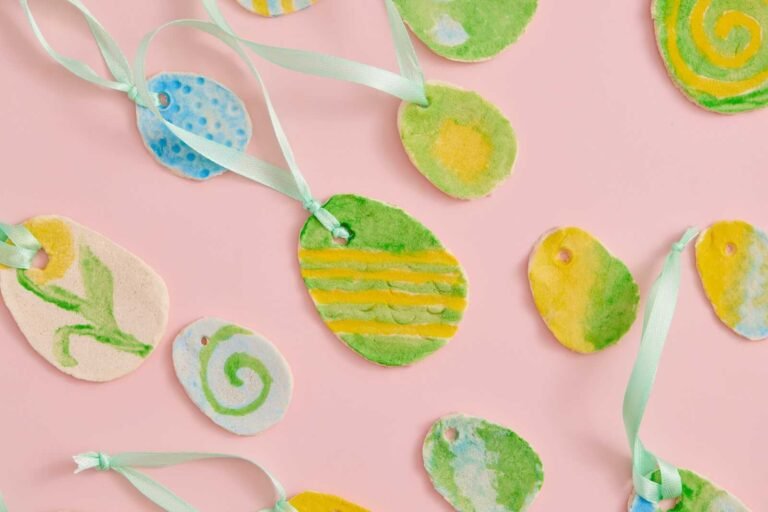
Families decorate branches or small trees with brightly painted eggs, ribbons, and ornaments. These decorative trees are displayed in homes and gardens throughout the Easter season.
Another popular German Easter tradition is the Easter bonfire. Large community bonfires are lit on Easter weekend to symbolize the end of winter and the welcoming of spring.
Children also participate in classic Easter egg hunts, and bakeries prepare seasonal treats such as:
- Easter bread
- Sugar cookies shaped like bunnies
- Chocolate eggs
Germany’s colorful decorations and festive atmosphere make Easter a joyful time for families and communities alike.
Spain: Dramatic Easter Processions
Spain is famous for its dramatic and deeply traditional Easter celebrations known as Semana Santa, or Holy Week.
During this week, cities across Spain host elaborate processions that feature:
- Large religious floats
- Participants wearing traditional robes
- Musicians and marching bands
- Candlelit parades through historic streets
Some of the most famous processions take place in Seville, where thousands of participants walk through the city carrying ornate statues and religious artwork.
Even for visitors who are not religious, Semana Santa is an unforgettable cultural experience filled with music, tradition, and historic rituals.
Food is also a central part of Spanish Easter celebrations. Popular Easter treats include:
- Torrijas (a Spanish version of French toast)
- Sweet pastries
- Fried dough desserts
Sweden: Easter Witches and Candy Traditions
One of the most unusual Easter traditions around the world comes from Sweden, where children dress up as Easter witches.
According to Swedish folklore, witches once flew to a legendary mountain during Easter celebrations. Today, children celebrate this tradition by dressing in colorful scarves and skirts, painting freckles on their faces, and going door to door with drawings or cards.
Neighbors reward the children with candy, similar to trick-or-treating at Halloween.
Swedish homes are also decorated with:
- Colorful feathers
- Painted eggs
- Spring flowers
- Birch branches
Families gather for festive meals that often include eggs, salmon, and seasonal dishes celebrating the arrival of spring.
France: Giant Omelets and Easter Bells
France has some of the most delicious Easter traditions in the world.
One charming French legend says that church bells stop ringing between Good Friday and Easter Sunday. According to folklore, the bells fly to Rome and return on Easter morning, dropping chocolate eggs for children.
In the town of Haux, France, Easter is celebrated with a giant omelet festival. Residents cook a massive omelet using thousands of eggs to feed the entire community.
Chocolate also plays a huge role in French Easter celebrations. Bakeries create elaborate chocolate sculptures shaped like:
- Bells
- Fish
- Eggs
- Bunnies
Families gather for festive meals that often include roasted lamb, fresh vegetables, and decadent desserts.
Poland: Water Splashing Traditions
In Poland, Easter celebrations include a playful tradition known as Śmigus-Dyngus, or Wet Monday.
On Easter Monday, people splash each other with water using buckets, water balloons, or spray bottles. The tradition originally symbolized purification and good luck for the coming year.
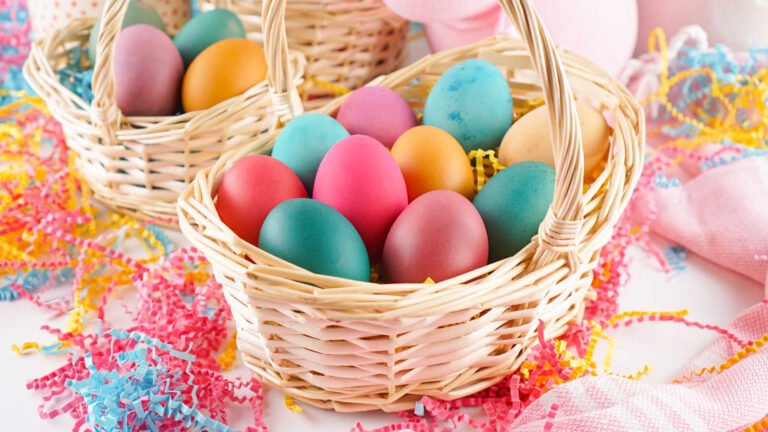
Another important Polish Easter custom is the Easter basket blessing. Families prepare decorative baskets filled with traditional foods, including:
- Bread
- Eggs
- Sausage
- Butter
- Salt
These baskets are taken to church to be blessed before being enjoyed as part of the Easter meal.
Australia: The Easter Bilby
In Australia, the traditional Easter Bunny has been replaced by the Easter Bilby, a native animal.
Rabbits are considered pests in Australia because they damage crops and ecosystems. To raise awareness about conservation, the Easter Bilby was introduced as a more environmentally friendly symbol of the holiday.
Chocolate bilbies are sold during Easter, and a portion of the profits often supports wildlife conservation efforts.
Australian families celebrate Easter with outdoor gatherings, picnics, and egg hunts, often enjoying the holiday during the country’s mild autumn season.
United States: Egg Hunts and Family Celebrations
In the United States, Easter traditions focus heavily on family activities and festive foods.
Some of the most popular customs include:
- Easter egg hunts
- Decorating eggs
- Giving Easter baskets filled with candy
- Hosting Easter brunch with family and friends
Many communities also organize large egg hunts in parks and community centers. These events are especially popular for families with young children.
Easter brunch is a beloved tradition in many households, often featuring dishes like:
- Deviled eggs
- Pancakes or waffles
- Fresh fruit
- Ham or roasted meats
- Spring desserts
For many families, Easter is a time to slow down, enjoy a festive meal, and spend quality time together.
Common Easter Symbols Around the World
Despite cultural differences, several symbols appear in Easter celebrations across many countries.
Eggs
Eggs represent new life and renewal, making them a perfect symbol for springtime celebrations.
Rabbits
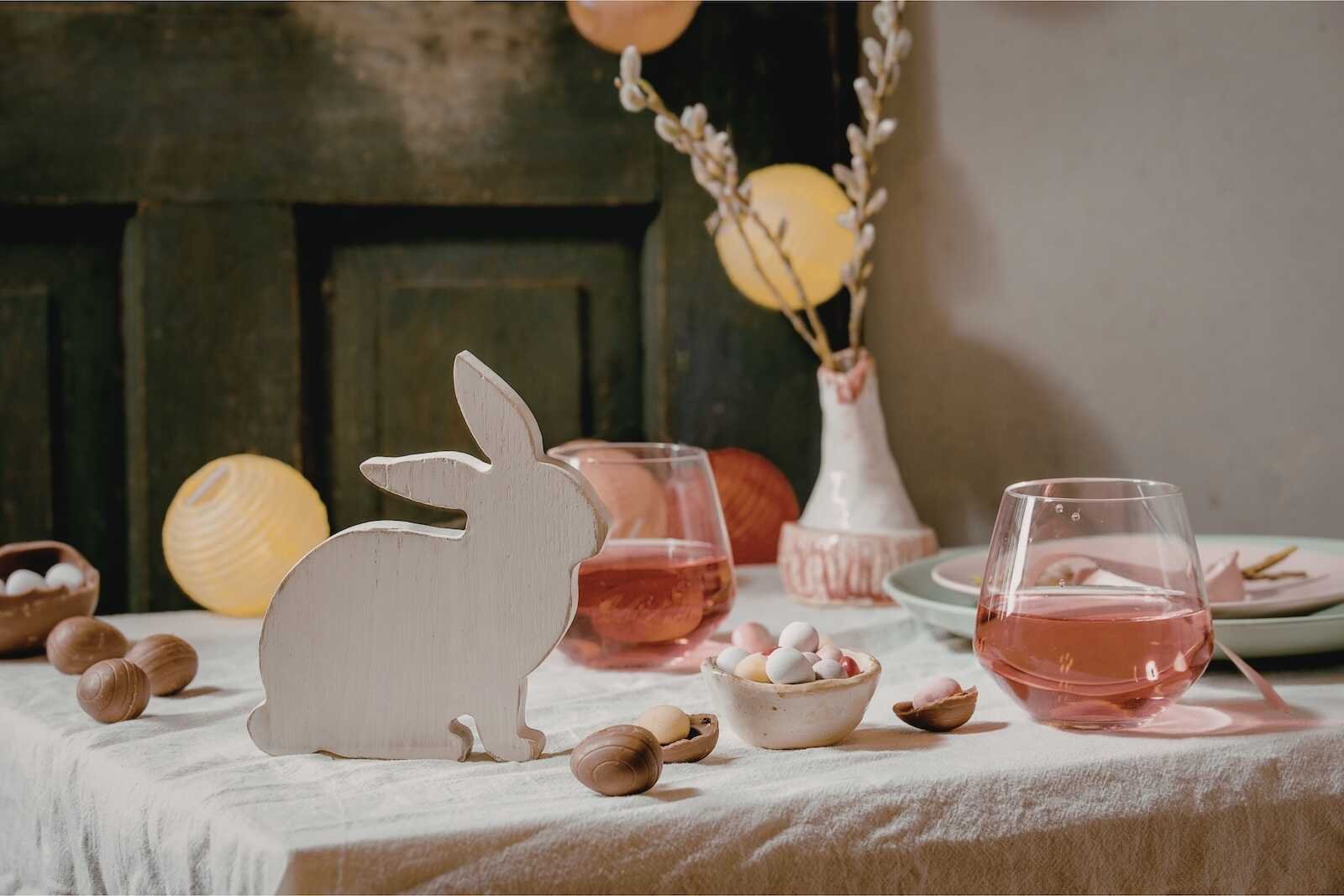
The Easter Bunny is associated with fertility and spring growth. While the bunny is most popular in North America and Europe, variations of this symbol appear worldwide.
Spring Flowers
Flowers such as lilies, tulips, and daffodils are commonly used in Easter decorations because they bloom during early spring.
Why Easter Traditions Continue to Evolve
Modern Easter celebrations continue to evolve as cultures blend traditions and create new customs.
Social media, travel, and global connections have made it easier than ever for people to discover Easter traditions around the world and incorporate them into their own celebrations.
For example, families might combine traditions like:
- Decorating Easter trees inspired by Germany
- Hosting Easter brunch like many American households
- Baking traditional European pastries
These cultural exchanges keep Easter celebrations fresh and meaningful for each new generation.
Final Thoughts on Easter Traditions Around the World
Easter traditions around the world highlight the beauty of cultural diversity and the universal joy of celebrating spring.
From fireworks in Italy to water splashing in Poland and candy-collecting Easter witches in Sweden, each country brings its own creativity and history to the holiday.
What these traditions share in common is a focus on family, food, community, and celebration. Whether you’re decorating eggs, hosting brunch, or exploring global traditions, Easter offers a wonderful opportunity to create joyful memories with loved ones.
Learning about Easter celebrations from different cultures can inspire new traditions for your own family and add even more meaning to this festive season.